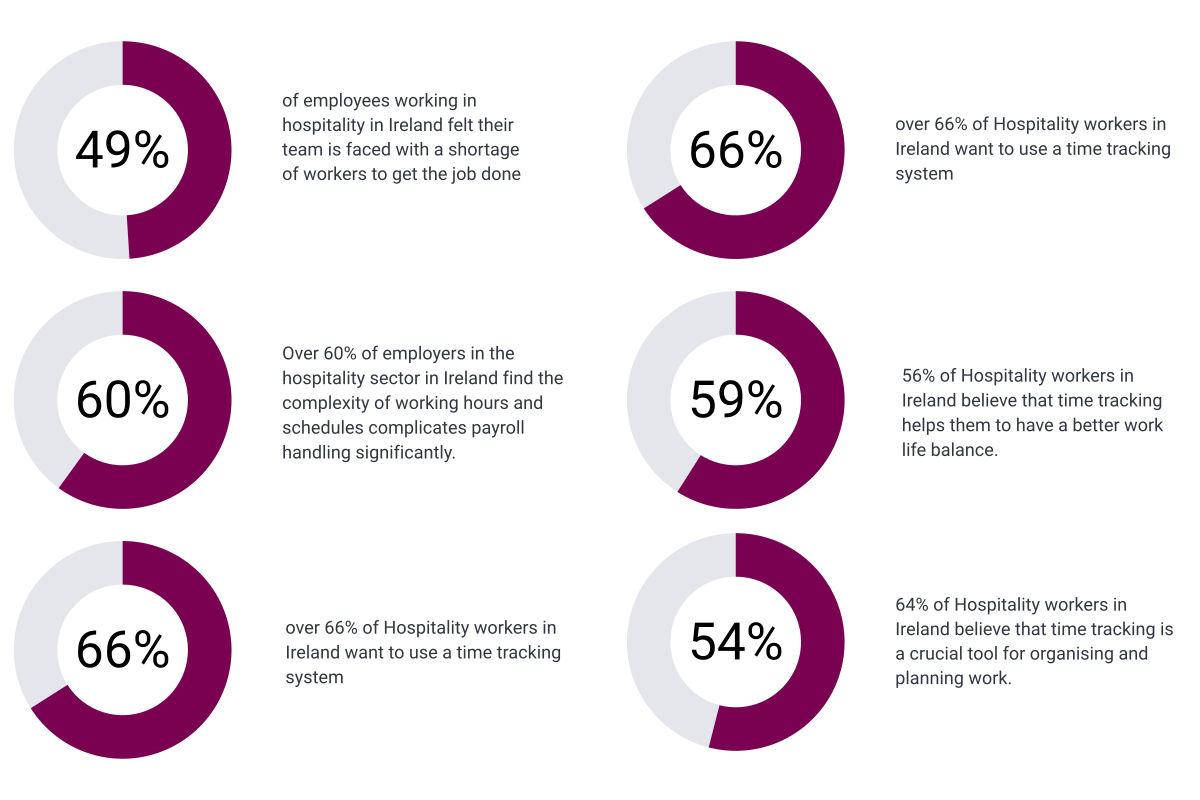
Only 26.6% of hospitality have a pension plan.
The State of Hospitality Payroll in Ireland
The hospitality sector in Ireland is experiencing struggles as a result of pressure from rising costs and challenges to compliance, as well as dealing with some of the most complex needs when it comes to payroll. Seasonal hiring, variable hours, and differing legal demands mean payroll isn’t just admin - it’s a strategic challenge.
The Reality Today
In Ireland, the hospitality sector has worked well to recover and create new tourism initiatives. Alongside increases to the cost of living, the cost of hotel accommodation and hospitality has put the sector in a challenging position.
Since January 2026, the National Minimum wage increased to €14.15 for all workers over the age of 20. This has impacted hotels and hospitality, many of whom would employ a staff base at this wage rate.
On 7 October 2025, the Irish 2026 Budget confirmed that the VAT rate on food, catering and hairdressing services will be reduced from 13.5% to 9% permanently. Announced in the 2026 Budget, this measure reintroduces the COVID-era tax relief to support restaurants, cafés, catering businesses, and hairdressers. Staying compliant is crucial, and leveraging technology that automatically updates VAT rates in invoices and returns will help businesses adapt seamlessly.
January 2026 introduced auto-enrolment pensions for the first time in Ireland, adding new compliance obligations for employers.
With this insight from our HR and Payroll Pulse 2025, it’s clear that 2026 onward will bring great changes to the industry with the advent of My Future Fund, pension auto-enrolment. Ireland introduced mandatory pension auto-enrolment for employees aged 23 to 60 earning €20,000 or more per year. Businesses across the sector will have to work efficiently to avoid penalties.
Frequent updates to PRSI contribution rates and evolving holiday pay rules create additional complexity.
Calculating entitlements for part-time and seasonal staff under Irish law is particularly challenging, especially when factoring in variable hours, split shifts, and tips. A single miscalculation can lead to Revenue penalties or WRC disputes, putting your reputation and finances at risk. Without automation, these compliance tasks consume valuable time and increase the likelihood of costly errors
Payroll mistakes don’t just cost money: they cost trust.
In a sector where turnover is high and competition for talent is fierce, accurate and timely pay is one of the most powerful tools for retention. When employees know they’ll be paid correctly every time, morale improves, engagement rises, and service quality follows. Conversely, payroll errors erode confidence and push staff out the door, increasing recruitment costs and impacting on guest and customer experience.
The Opportunity
By streamlining payroll and integrating it with time and attendance systems, hotels and hospitality businesses can reduce admin, control labour costs, and create a workplace where employees feel valued - driving profitability from the inside out.
Get the Complete Guide to Hospitality Payroll in Ireland
From auto-enrolment to rising labour costs, Irish hospitality is facing rapid change. Our in-depth eBook gives you practical guidance, compliance insights and real solutions to help you pay people accurately and confidently in 2026 and beyond.
Related Articles

Blog
5 Common Payroll Mistakes in Irish Hospitality (and How to Fix Them)
Payroll in Irish hospitality is complex and mistakes can be costly. Discover the 5 most common payroll errors hotels and restaurants make – and practical fixes to stay compliant and avoid Revenue penalties.
13-01-2026
eBook
Get Your Free Payroll Desk Calendar 2026
At SD Worx Ireland, we provide cutting-edge payroll technology and services to streamline your processes, but we know that a clear, visual reference can still be invaluable.
Our 2026 payroll calendar is now available digitally, making it easy to access, share, and keep close at hand whenever you need it. In addition, we have a limited number of physical desk calendars available, which will be allocated on a first-come, first-served basis.
Designed to help you stay on top of every payroll deadline*, the calendar—both digital and print—offers practical guidance you can rely on throughout the year.
We make every effort to ensure accuracy, but the calendar is for general guidance only. Always verify key dates with your internal processes.
16-12-2025

Blog
Christmas Payroll Checklist: 8 Essential Steps for a Stress-Free Year-End
Stay ahead this festive season with our Christmas payroll checklist. From holiday pay and bonuses to tax compliance and year-end reporting, here’s everything you need to keep payroll running smoothly.
11-12-2025